Near-death experiences (often called NDEs) are among the most profound and life-altering events a human being can have. They arrive unexpectedly—sometimes in moments of medical crisis, trauma, or deep unconsciousness—and yet, for those who experience them, they often feel more real than ordinary life itself.
Across cultures, religions, and belief systems, people who have had near-death experiences describe remarkably similar themes: a sense of leaving the body, encounters with light or presence, a feeling of unconditional love, and a deep knowing that consciousness does not end with physical death.
This article explores what near-death experiences are, what they teach us, and why they matter—especially in a world hungry for meaning, healing, and hope.
What Is a Near-Death Experience?
A near-death experience refers to a profound psychological, emotional, and often spiritual experience reported by individuals who were close to death or clinically dead and later revived.
While each experience is deeply personal, many NDEs share common elements that transcend culture, religion, and background.
Common Elements of Near-Death Experiences
People who report NDEs often describe:
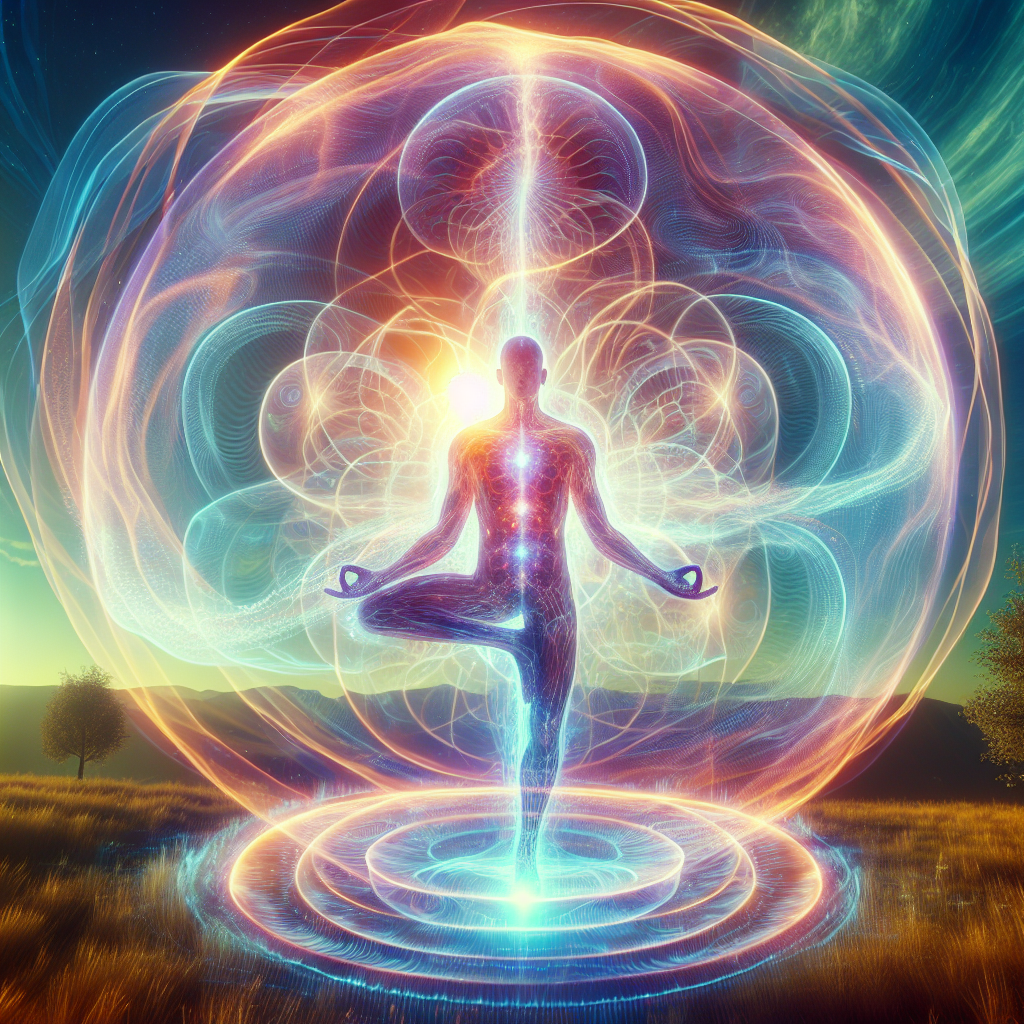
- A sense of leaving the physical body
- Observing events from above (out-of-body perception)
- Traveling through darkness or a tunnel
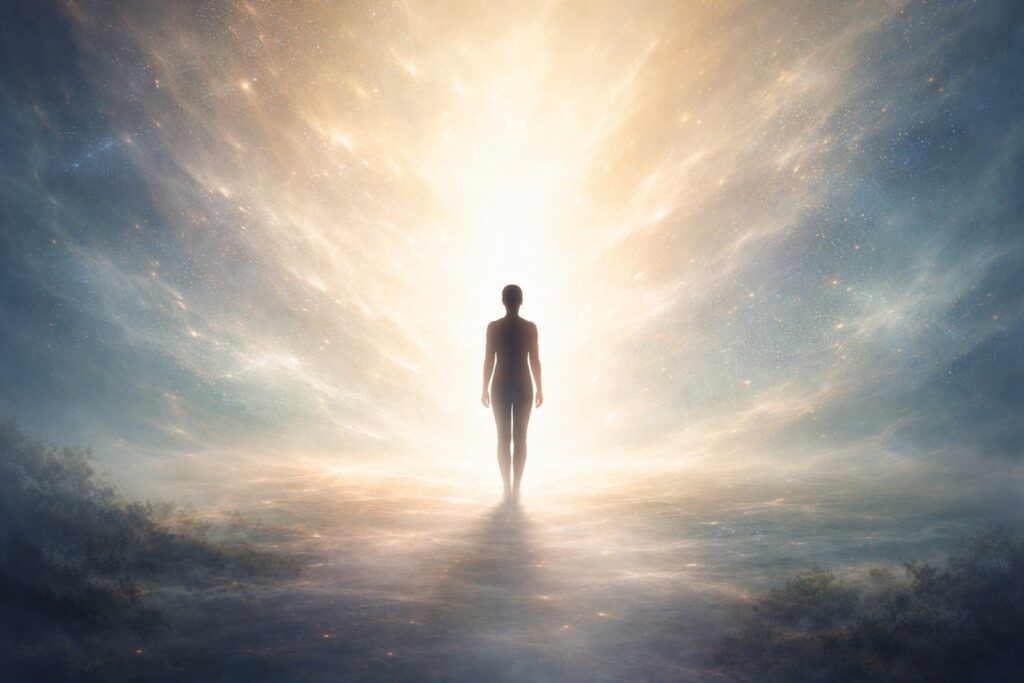
- Encountering a radiant light or loving presence
- Experiencing overwhelming peace, love, or unity
- A life review, often without judgment
- A reluctance—or choice—to return to the body
What makes these accounts so striking is not just their similarity, but the lasting transformation they bring.
How Near-Death Experiences Change People
One of the most well-documented aspects of NDEs is how deeply they alter a person’s life afterward.
Psychological and Emotional Shifts
After a near-death experience, many people report:
- A reduced fear of death
- Increased compassion and empathy
- A deeper sense of purpose
- Less attachment to material success
- Greater appreciation for life and relationships
These changes are often permanent, reshaping priorities and values for decades.
Spiritual Awakening Without Religion
Importantly, many experiencers say their NDE was spiritual but not religious. People from atheist, agnostic, or non-spiritual backgrounds frequently return with a renewed sense of meaning—without adopting a specific belief system.
This suggests that near-death experiences may touch something fundamental to human consciousness, rather than reinforcing cultural ideas.
The Question of Consciousness Beyond the Body
One of the most challenging aspects of near-death experiences is how they confront our assumptions about consciousness.
If the brain is inactive or severely compromised, how do people report vivid awareness, memory, and perception?
Scientific Curiosity and Open Questions
Modern neuroscience has not yet reached consensus on NDEs. Some theories suggest:
- Oxygen deprivation or chemical changes in the brain
- Survival-based neurological responses
- Memory reconstruction after recovery
Yet these explanations struggle to account for:
- Clear perception during flat EEG readings
- Verifiable details observed while unconscious
- Long-term personality and value changes
As a result, near-death experiences remain an open frontier, inviting humility rather than certainty.
Anita Moorjani: A Near-Death Experience That Changed the World
One of the most widely known modern NDE accounts comes from Anita Moorjani.
Her Experience
While dying from advanced-stage cancer, Anita Moorjani entered a profound near-death state. Doctors had given her only hours to live. During her experience, she reported leaving her body, experiencing an expansive state of awareness, and encountering an all-encompassing sense of unconditional love.
Rather than being judged, she described remembering who she truly was.
A Message of Self-Worth and Love
What makes Anita Moorjani’s story especially impactful is not only the near-death experience itself, but how she integrated it after returning to life. In the months and years that followed, she articulated several core insights that she has since shared widely through her teachings and writing.
Fear weakens the body
Anita has often spoken about how living in constant fear and self-suppression created deep imbalance within her system. Fear, in this sense, is not a moral failure, but a state of contraction that affects both mind and body.
Self-love is essential to healing
Rather than striving to please others or live up to external expectations, she emphasizes the importance of honoring one’s true self. Healing begins when the inner struggle to be “enough” comes to rest.
We are far more than our physical form
Her experience profoundly shifted her understanding of identity, reinforcing the sense that consciousness, meaning, and worth extend beyond the body and its condition.
These insights did not emerge as abstract philosophy, but as lived understanding—shaping how she chose to relate to her body, her life, and herself after returning.
Sharing the Experience Through Teaching
Today, Anita Moorjani shares her insights through books, talks, and global programs. She has collaborated with The Shift Network, offering courses and teachings that help people integrate the spiritual lessons of near-death experiences into everyday life—without needing a dramatic event to awaken.
Her story resonates because it isn’t about death—it’s about how to live.
If you’d like to hear a lived account in the speaker’s own words, this conversation between Anita Moorjani and Aubrey Marcus offers a grounded and compassionate reflection on near-death experiences.
👉 NDE Survivor Shares the Truth of Life Beyond Death – Anita Moorjani (YouTube)
What Near-Death Experiences Teach Us About Life
Perhaps the most important question isn’t “Are NDEs real?”
It’s “What do they reveal about how we live?”
Lessons Repeated Across NDE Accounts
Across thousands of stories, certain insights appear again and again:
Love Matters More Than Anything
Not achievement. Not status. Not perfection.
Love—for self and others—is consistently described as the core truth.
Fear Is Learned, Not Essential
Many experiencers report that fear dissolves entirely during their NDE, revealing how much of our suffering is rooted in misunderstanding.
You Matter More Than You Think
People often return with the understanding that their existence itself has value—independent of productivity, success, or approval.
Near-Death Experiences and the Fear of Dying
One of the quiet gifts of NDE research is how it softens our relationship with death.
A Gentler Perspective on Mortality
People who have studied or encountered NDEs often report:
- Reduced death anxiety
- Increased peace around loss
- A sense that life continues in some form
This doesn’t remove grief—but it can wrap grief in meaning.
Do You Need a Near-Death Experience to Awaken?
A powerful insight shared by many teachers—including Anita Moorjani—is that you don’t need to nearly die to live fully.
The lessons of near-death experiences are invitations:
- To live with authenticity
- To release fear
- To choose love now
Awakening doesn’t require crisis. It requires listening.
Integrating the Wisdom of Near-Death Experiences Into Daily Life
Practical Reflections
You might ask yourself:
- What would I change if I trusted life more?
- Where am I withholding love—from myself or others?
- What actually matters when everything else falls away?
These questions don’t demand answers. They open space.
A Gentle Closing Reflection
Near-death experiences sit at the intersection of mystery and meaning. They challenge rigid thinking while offering profound comfort. Whether understood as neurological phenomena, spiritual glimpses, or something beyond current understanding, their impact is undeniable.
They remind us that life is precious.
That love is central.
And that who we are may be far larger than what we can see.
If nothing else, near-death experiences invite us to live more honestly, more gently, and more fully—now.
Sources
- Anita Moorjani – Official Website
https://www.anitamoorjani.com/ - The Shift Network – Courses with Anita Moorjani
https://theshiftnetwork.com/ - Near-Death Experience Research Foundation (NDERF)
https://www.nderf.org/ - International Association for Near-Death Studies (IANDS)
https://www.iands.org/ - University of Virginia – Division of Perceptual Studies (Near-Death Experience Research)
https://med.virginia.edu/perceptual-studies/our-research/near-death-experiences-ndes/ - Dr. Bruce Greyson – Academic Research on NDEs
https://med.virginia.edu/perceptual-studies/people/bruce-greyson-md/ - Dr. Pim van Lommel – Consciousness Beyond the Brain
https://www.pimvanlommel.nl/en/