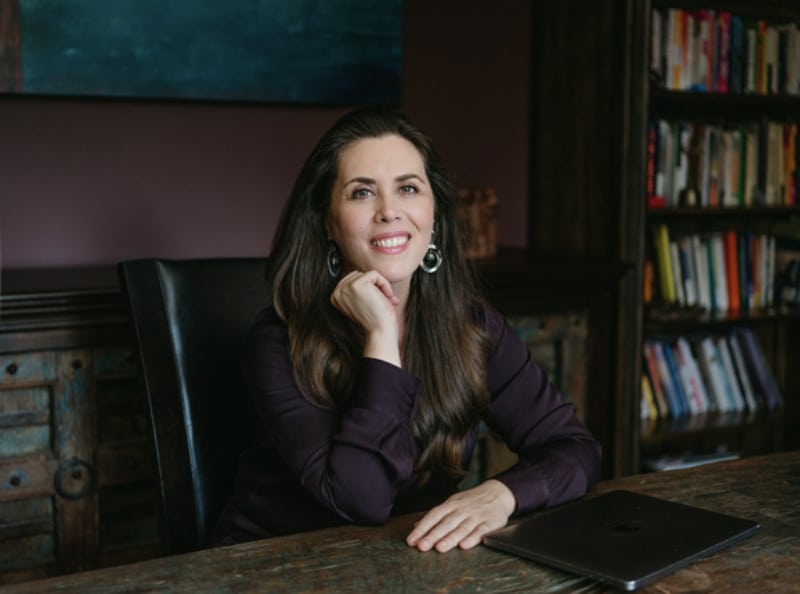
A Grounded Profile of Ayurvedic Aromatherapy, Plant Intelligence, and Sensory Healing
Aromatherapy is often reduced to fragrance, mood enhancement, or lifestyle aesthetics.
David Crow approaches it as something far older—and far more precise.
Rooted in classical Ayurveda and traditional plant medicine, his work explores how scent functions as a direct sensory gateway into physiology, psychology, and subtle regulation. Rather than treating essential oils as commodities or shortcuts, Crow emphasizes relationship, dosage, context, and timing.
His teaching invites a slower, more respectful engagement with plants—one that values intelligence over intensity.
Foundations in Ayurveda and Plant Medicine
David Crow is a long-time practitioner and educator in Ayurveda, with a particular focus on the therapeutic use of aromatic plants.
In Ayurvedic understanding, smell is not secondary. It is a primary sense—deeply connected to:
- digestion
- memory
- emotion
- nervous system regulation
Crow’s work draws from this classical view, presenting aromatherapy not as an add-on, but as an integral therapeutic modality when used with discernment.
Rather than isolating oils from their botanical and energetic contexts, he consistently situates them within broader systems of balance.
Aromatherapy as a Clinical and Sensory Practice
In David Crow’s teaching, aromatherapy is not about pleasant scent alone.
It is about:
- how aroma enters the limbic system
- how it influences breath and attention
- how subtle stimulation can support regulation rather than overwhelm
He emphasizes that essential oils are concentrated substances and must be approached with care. This stands in contrast to modern trends that encourage indiscriminate or excessive use.
His approach prioritizes:
- minimal effective dosage
- individual constitution
- environmental context
- therapeutic intent
This restraint is a hallmark of traditional practice—and a key reason his work remains respected.
Bridging Sensory Experience and Physiology
One of David Crow’s strengths is his ability to explain how aromatic compounds influence the body without mystification.
He explores how scent interacts with:
- the olfactory nerve
- emotional processing
- autonomic nervous system balance
- digestive and respiratory function
These insights align with modern research into sensory processing and psychophysiology, even as they remain rooted in ancient frameworks.
Rather than positioning Ayurveda against science, Crow demonstrates how sensory intelligence precedes measurement.
Skepticism, Safety, and Responsible Use
Aromatherapy has become widely popular—and with that popularity has come exaggeration and misuse.
David Crow addresses this directly.
He does not frame aromatherapy as:
- a cure-all
- a replacement for medical care
- something inherently safe at any dose
Instead, his work consistently emphasizes:
- contraindications
- dilution
- education
- respect for plant potency
This responsible framing appeals to practitioners and students who value safety, ethics, and long-term practice over trends.
David Crow & The Shift Network
David Crow has collaborated with The Shift Network, where his teachings are presented in structured educational programs focused on Ayurvedic aromatherapy and plant-based healing.
Within this context, his work is offered as:
- foundational education
- sensory-based self-care
- integration of Ayurveda with modern understanding
These programs tend to resonate with people who are curious about plant medicine but seek depth, clarity, and responsibility rather than novelty.
Who His Work Resonates With
David Crow’s work often resonates with people who:
- practice Ayurveda or integrative health
- are drawn to plant medicine with structure
- value subtlety over intensity
- seek sensory practices that regulate rather than stimulate
- want to understand why something works, not just that it does
His audience is defined by discernment, not belief.
A Grounded Closing Perspective
David Crow’s teaching does not romanticize nature.
It respects it.
His work reminds us that plants are not tools to be exploited, but living intelligences to be engaged with care, humility, and knowledge.
In a wellness culture often driven by excess, his approach offers something quietly powerful:
less stimulation,
more precision,
and deeper listening through the senses.
At Better Feeling Life, approaches like David Crow’s are best understood not as lifestyle trends, but as disciplined sensory practices—ways of restoring balance through attentiveness, restraint, and respect for the natural world.