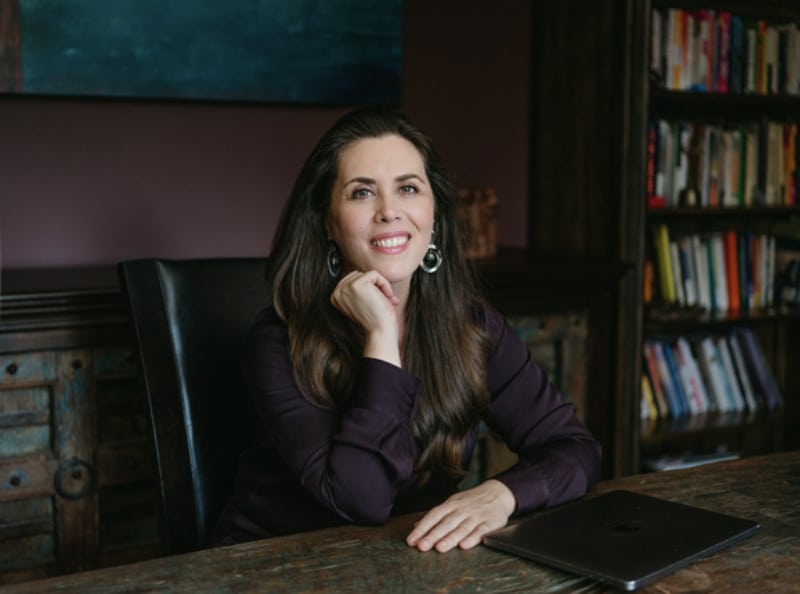
A Grounded Profile of Qigong, Integrative Medicine, and Self-Regulation
In conversations about health, longevity, and healing, there is often a divide between Eastern tradition and Western medicine.
Dr. Roger Jahnke has spent decades working directly in that space between them.
Rather than positioning one system as superior to the other, his work focuses on a simpler and more practical question:
How can people actively participate in their own healing — safely, consistently, and sustainably?
His answer has centered on qigong, self-regulation, and integrative medicine — approached not as belief systems, but as trainable skills.
Medical Background and Integrative Focus
Dr. Jahnke is trained in conventional Western medicine and has worked extensively in the field of integrative health. Early in his career, he became interested in approaches that empower patients rather than placing all responsibility on external intervention.
This curiosity led him to study traditional Chinese medicine, qigong, and mind–body practices, not as alternatives to medicine, but as complementary tools.
Over time, his work became increasingly focused on a core idea:
Health outcomes improve when individuals learn how to regulate their own energy, breath, attention, and movement.
This orientation has shaped both his clinical work and his educational programs.
Qigong as a Trainable Health Skill
Qigong is often misunderstood as either mystical or purely spiritual.
Dr. Jahnke presents it very differently.
In his teaching, qigong is:
- a method of gentle movement
- combined with breath regulation
- supported by focused attention
- designed to improve circulation, balance, and resilience
Rather than emphasizing belief or esoteric concepts, he frames qigong as a self-care technology — something people can learn, practice, and adapt regardless of philosophical worldview.
This framing has made qigong accessible to:
- healthcare professionals
- patients managing chronic conditions
- older adults seeking stability and vitality
- individuals recovering from stress and burnout
The Role of Self-Regulation in Healing
A consistent theme in Dr. Jahnke’s work is self-regulation.
Rather than asking:
“What treatment will fix this?”
his approach encourages people to ask:
- How can I support my nervous system?
- How can I improve circulation and breathing?
- How can I reduce internal resistance to healing?
This aligns closely with modern research on:
- stress physiology
- neuroplasticity
- autonomic nervous system balance
- mind–body interaction
In this sense, his work often feels quietly ahead of mainstream medicine — not because it rejects science, but because it applies it at the level of daily behavior.
Clinical Research and Public Health Applications
Unlike many wellness educators, Dr. Jahnke has been involved in clinical and public health research, including studies examining the effects of qigong and mind–body practices on:
- cardiovascular health
- immune function
- chronic pain
- stress-related disorders
His work has appeared in medical and health-education contexts where credibility, safety, and reproducibility matter.
This research orientation has helped bridge qigong into:
- hospitals
- rehabilitation programs
- community health initiatives
Not as an alternative treatment — but as a supportive practice.
Skepticism, Limits, and Responsible Framing
Practices like qigong sometimes attract exaggerated claims or unrealistic expectations.
Dr. Jahnke consistently emphasizes restraint.
He does not present qigong as:
- a cure-all
- a replacement for medical care
- a solution that bypasses effort or consistency
Instead, he frames it as:
- a long-term practice
- supportive rather than corrective
- effective through regular, moderate engagement
This responsible framing is one reason his work is often trusted by healthcare professionals as well as individuals exploring complementary practices.
Dr. Roger Jahnke & The Shift Network
Dr. Jahnke has collaborated with The Shift Network, where his teachings are presented in an educational, structured format.
Within this context, his programs typically focus on:
- learning qigong as a daily self-care practice
- improving resilience and energy regulation
- supporting long-term health through gentle methods
These offerings are designed to be accessible — especially for people who may feel overwhelmed by more intense or complex health protocols.
Who His Work Resonates With
Dr. Roger Jahnke’s work often resonates with people who:
- value evidence-informed approaches
- want gentle, sustainable practices
- live with chronic stress or long-term conditions
- prefer skill-building over passive treatment
- seek integration rather than polarization in healthcare
His audience is less defined by ideology and more by practical curiosity.
A Grounded Closing Perspective
Dr. Roger Jahnke’s work does not promise transformation through belief or intensity.
It emphasizes something quieter:
that small, consistent acts of self-regulation — practiced over time — can meaningfully support health and resilience.
In a culture often focused on external solutions, his teaching returns attention to an overlooked truth:
the body responds best when it is invited, not forced.
At Better Feeling Life, approaches like Dr. Jahnke’s are best understood not as alternatives to medicine, but as foundational skills for participating more actively in one’s own well-being.